
Phoenix Rising Counseling Services
Individual, Couples, and Family Therapy
This page provides books, tools, and clinical materials that may support your therapeutic journey.
The documents below are provided so clients can review core consent materials before or during the intake process. The full legal version is the controlling informed consent document. The client-friendly version is a plain-language companion and does not replace the full legal document.
This is the complete informed consent document used for formal review and authorization.
Download the full legal informed consent
This plain-language guide summarizes the informed consent in a more approachable format.
Download the client-friendly informed consent guide
The books below are provided as optional tools for learning, reflection, and personal growth. These recommendations are not a substitute for counseling, but they may help deepen your understanding of emotions, relationships, trauma, and healing. Each book listed includes a brief explanation of why it may be helpful.
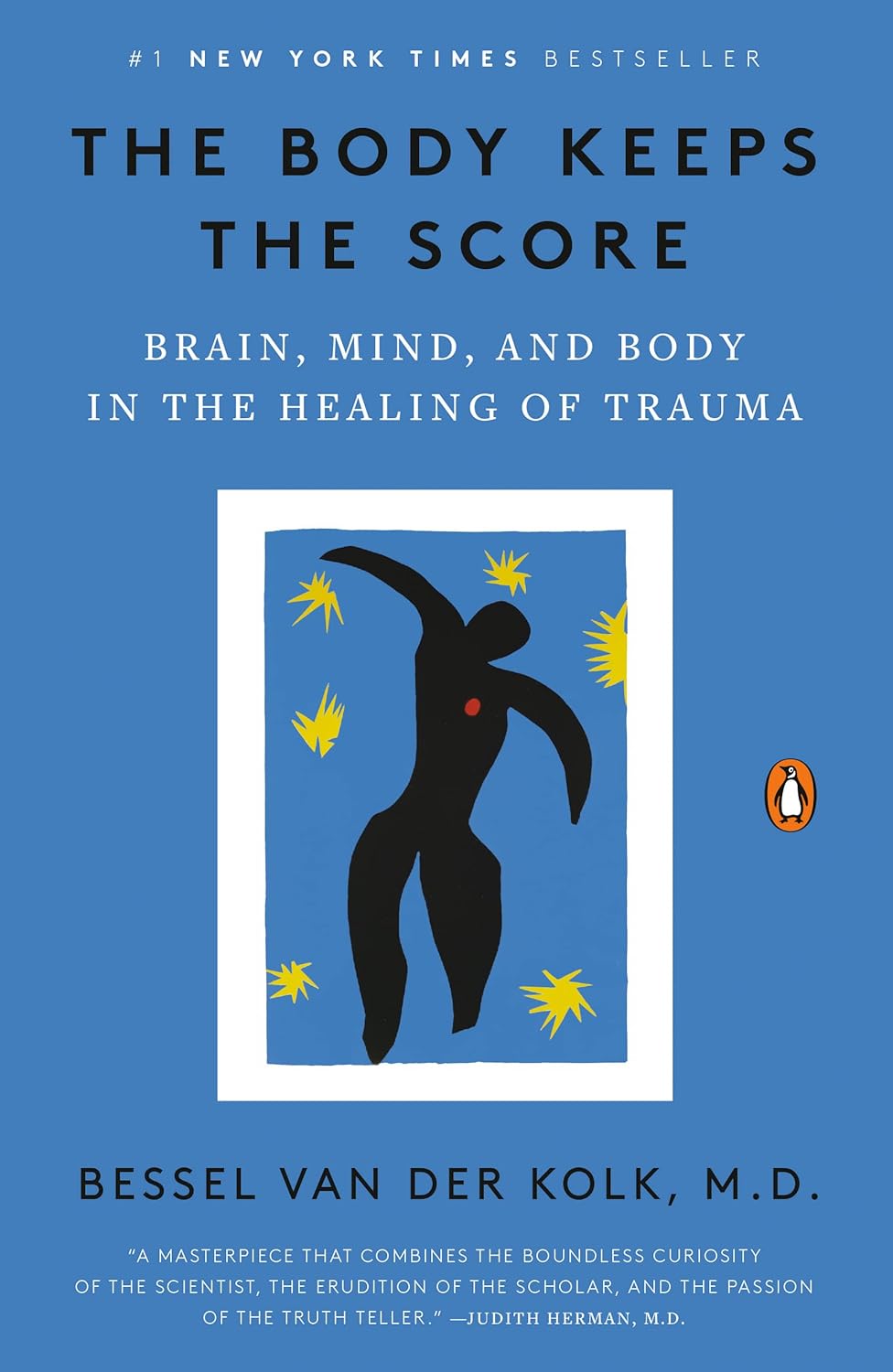
Why we recommend it:
This book helps you understand how past experiences can shape your body, emotions, and reactions today. It offers a clear explanation of why you may feel “stuck” or overwhelmed and shows that these responses are not your fault—they’re your nervous system trying to protect you. It also introduces practical approaches that can empower you to feel more present, grounded, and in control.
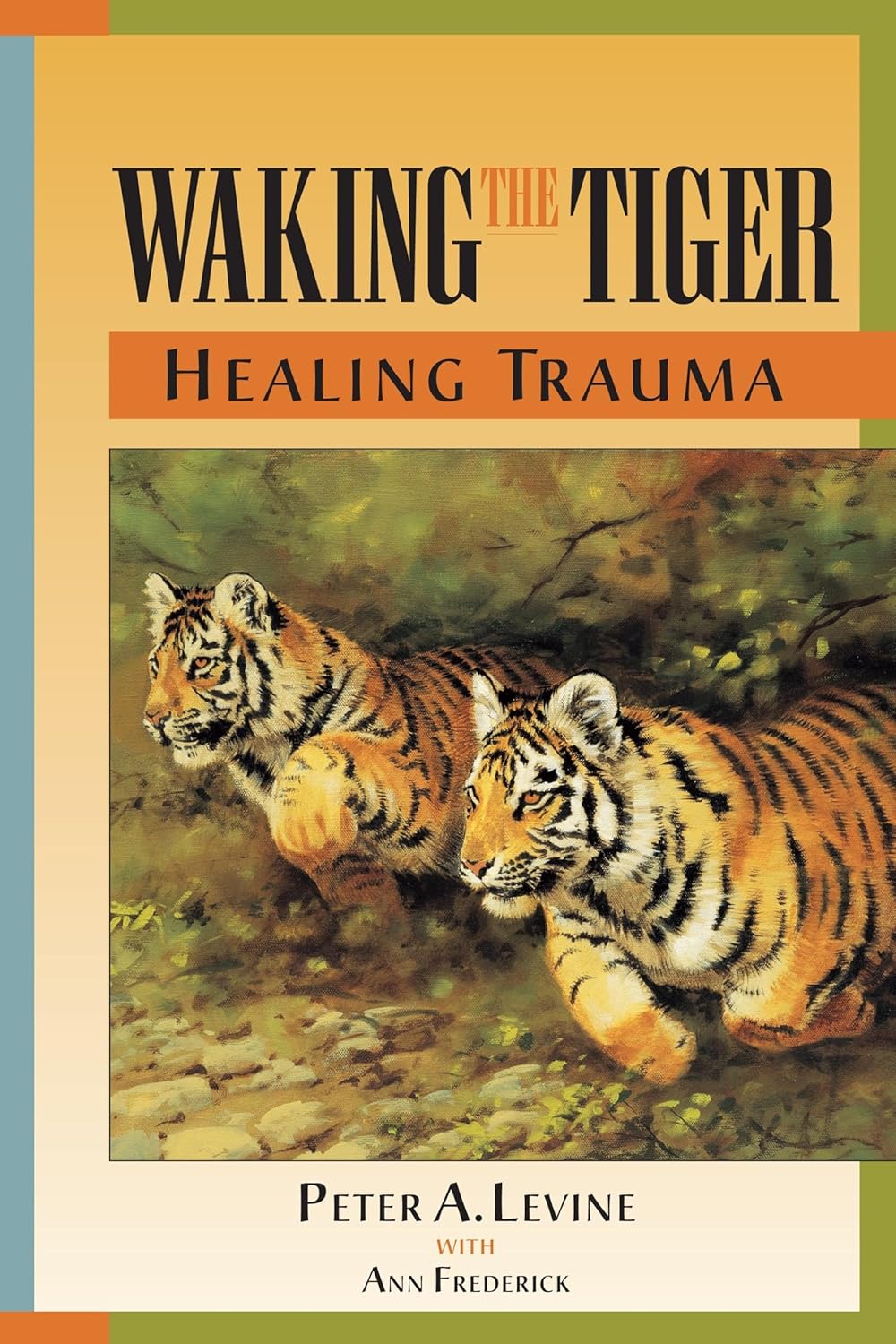
Why we recommend it:
If you’ve ever wondered why your body reacts before your mind does, this book explains it in a simple, compassionate way. It teaches you how trauma lives in your physical system and introduces gentle exercises that help you release stress, tension, and old emotional patterns. It supports healing by helping you reconnect with your body in a safe, steady way.

Why we recommend it:
If relationships feel confusing, inconsistent, or frustrating, this book helps you understand why. It explains different attachment styles in a very straightforward way and shows how they influence your reactions, needs, and patterns. You’ll gain practical insight into building healthier, more secure connections.
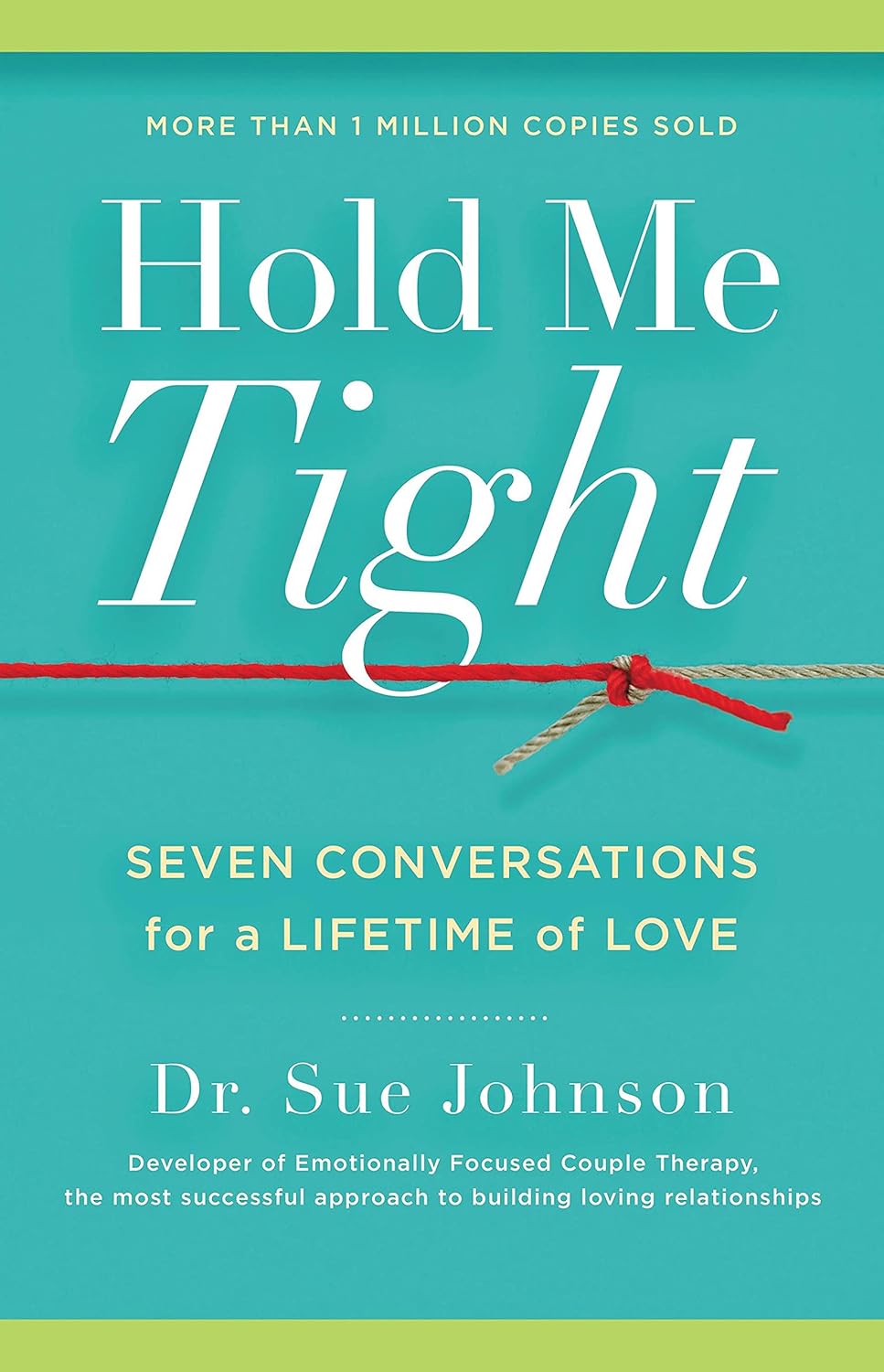
Why we recommend it:
This book helps you understand relationship conflict not as “fighting,” but as a signal that deeper needs aren’t being met. It teaches you how to communicate those needs in a way that builds closeness rather than distance. Couples often find it encouraging, hopeful, and deeply clarifying.
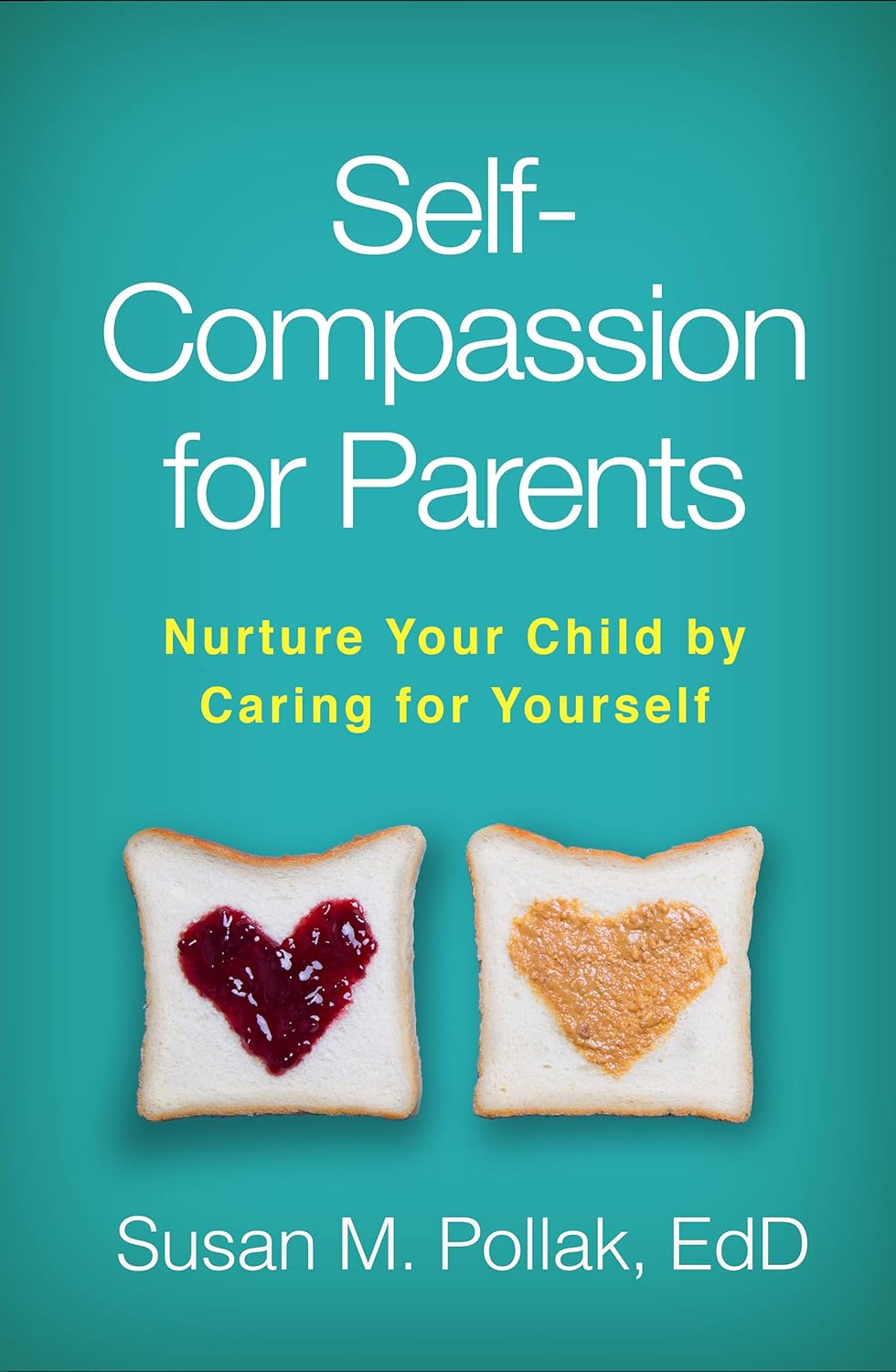
Why we recommend it:
This book is specifically about helping you be kinder to yourself as a parent. It teaches mindfulness skills, emotional balance, and coping strategies for guilt, frustration, and burnout. It helps you understand that parenting is hard for everyone, and that improving your well-being directly improves your child’s. The tone is warm, honest, and judgment-free.
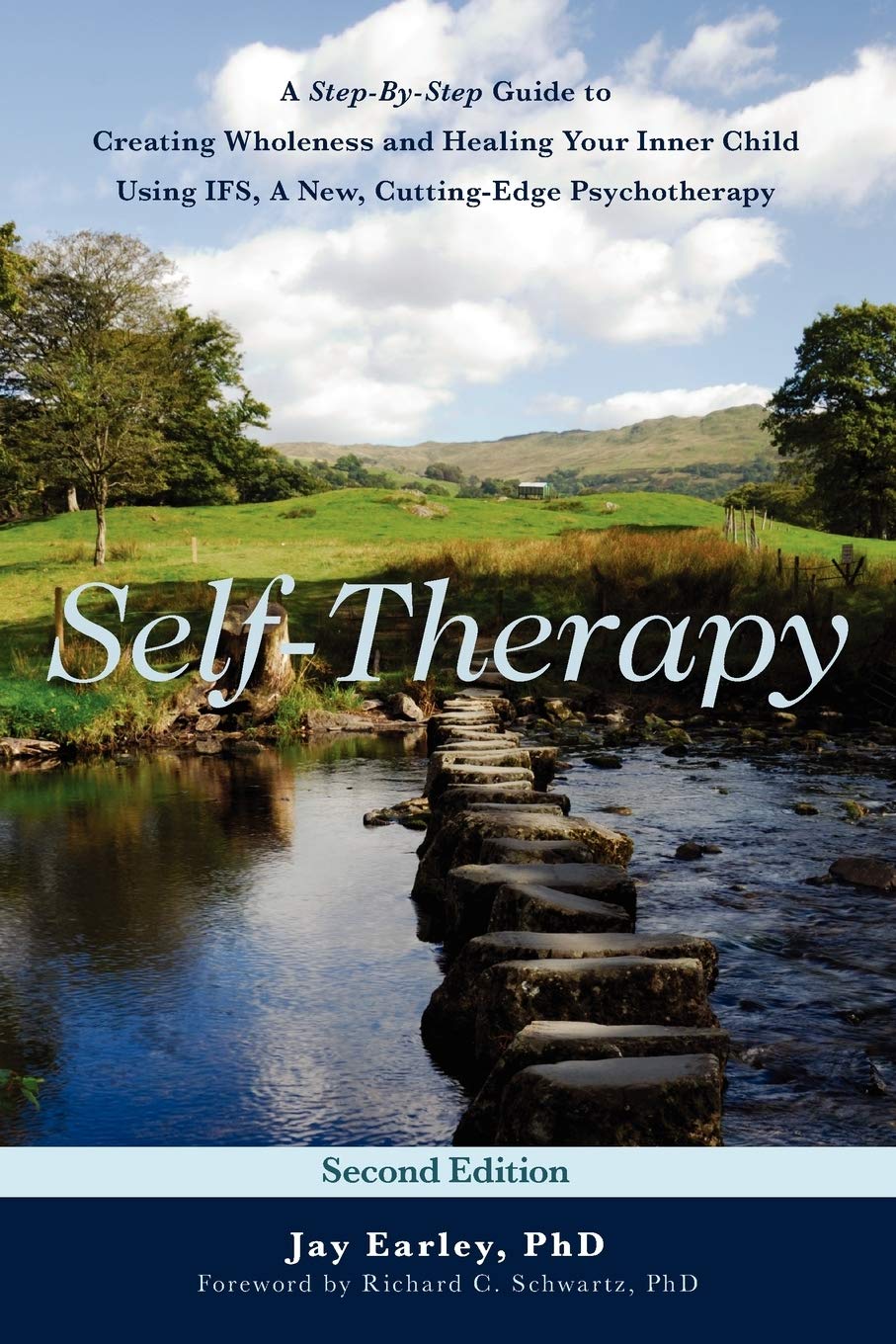
Why we recommend it:
This is one of the most accessible introductions to IFS for everyday people. It helps you understand your “inner parts” with compassion— not as flaws, but as protective roles you developed over time. The book shows you how to work gently with these parts so you can feel calmer, more centered, and more connected to yourself. Many clients find it helps them understand what we’re doing in therapy and gives them language for their inner experience.
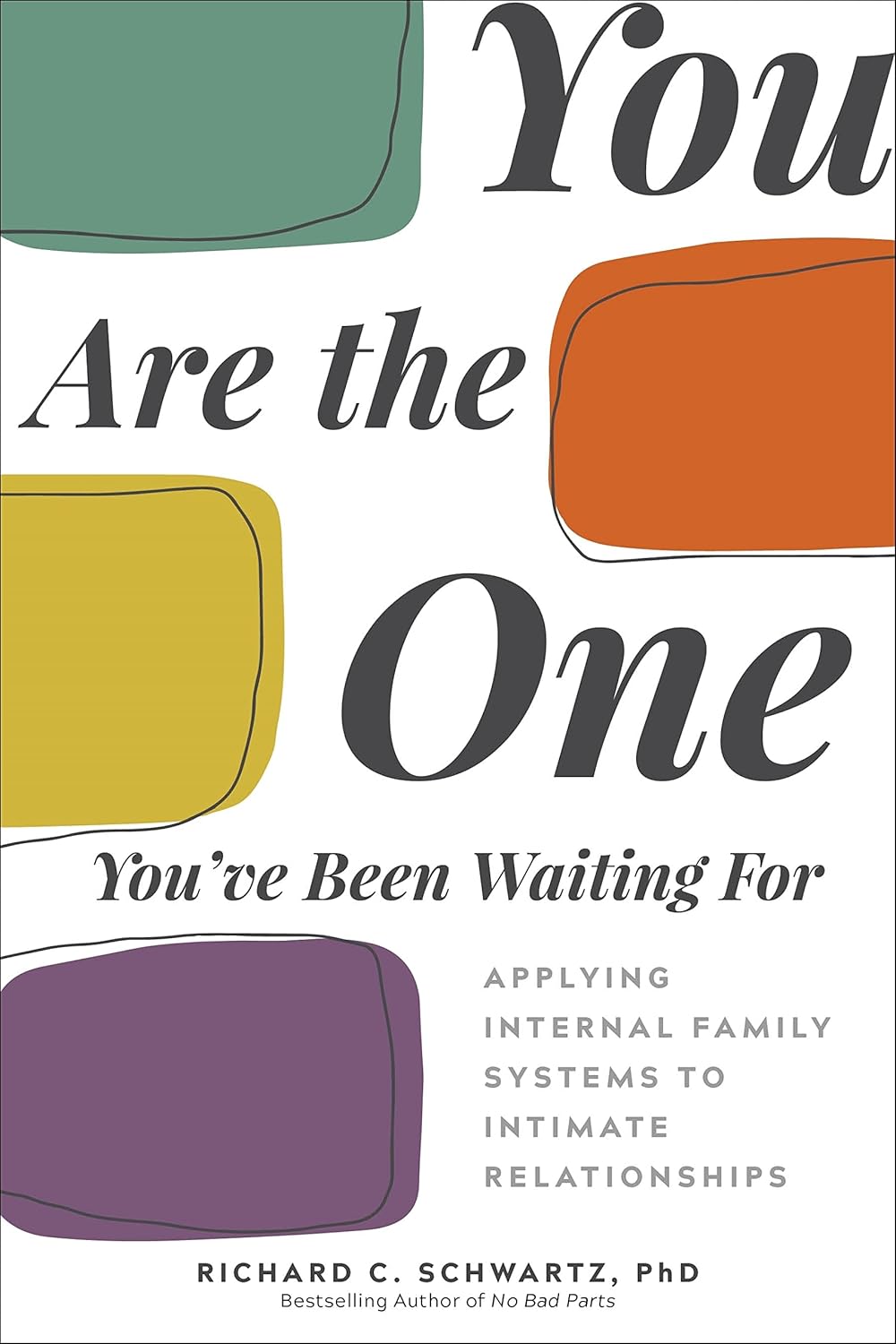
Why we recommend it: This IFS-based relationship book is incredibly gentle toward both partners. It explains why old emotional patterns show up in relationships and how each partner can work with their own parts to reduce conflict, resentment, or reactivity. It teaches you how to build closeness and safety without blaming either person, and can make couples therapy feel less threatening and more hopeful.
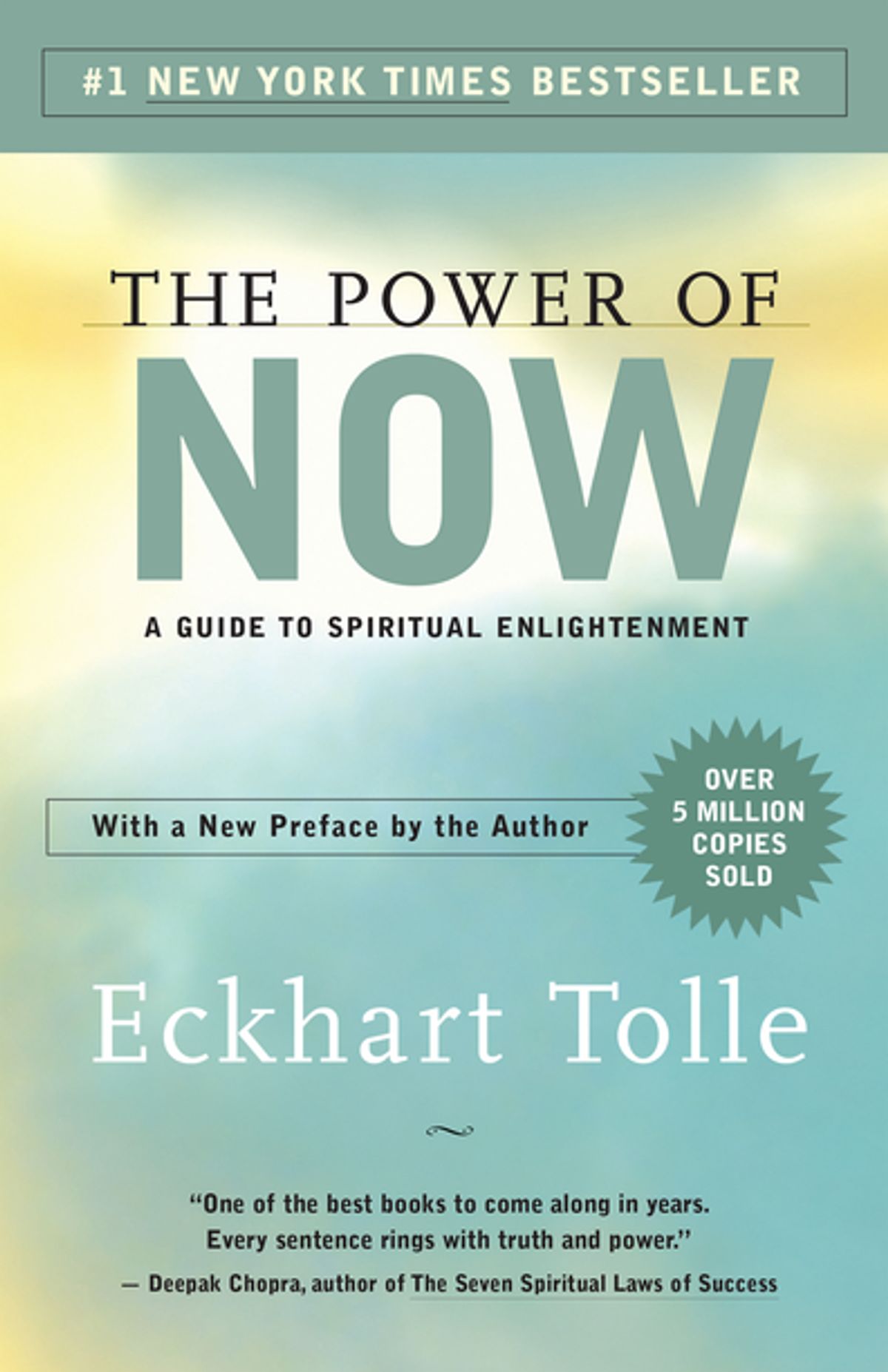
Why we recommend it: Ekhart Tolle's message is simple: living in the now is the truest path to happiness and enlightenment. And while this message may not seem stunningly original or fresh, Tolle's clear writing, supportive voice and enthusiasm make this an excellent manual for anyone who's ever wondered what exactly "living in the now" means. Foremost, Tolle is a world-class teacher, able to explain complicated concepts in concrete language. More importantly, within a chapter of reading this book, readers are already holding the world in a different container--more conscious of how thoughts and emotions get in the way of their ability to live in genuine peace and happiness.
The resources below are offered as optional supports to help you deepen your emotional work between sessions. They are not a replacement for therapy, but they can strengthen your understanding of important concepts, give you practical tools to use at home, and help you make steady progress on your therapeutic goals. Each resource includes a brief explanation of how it may be useful in your healing process.
Resources coming soon! Additional tools and materials will be added here as they become available.